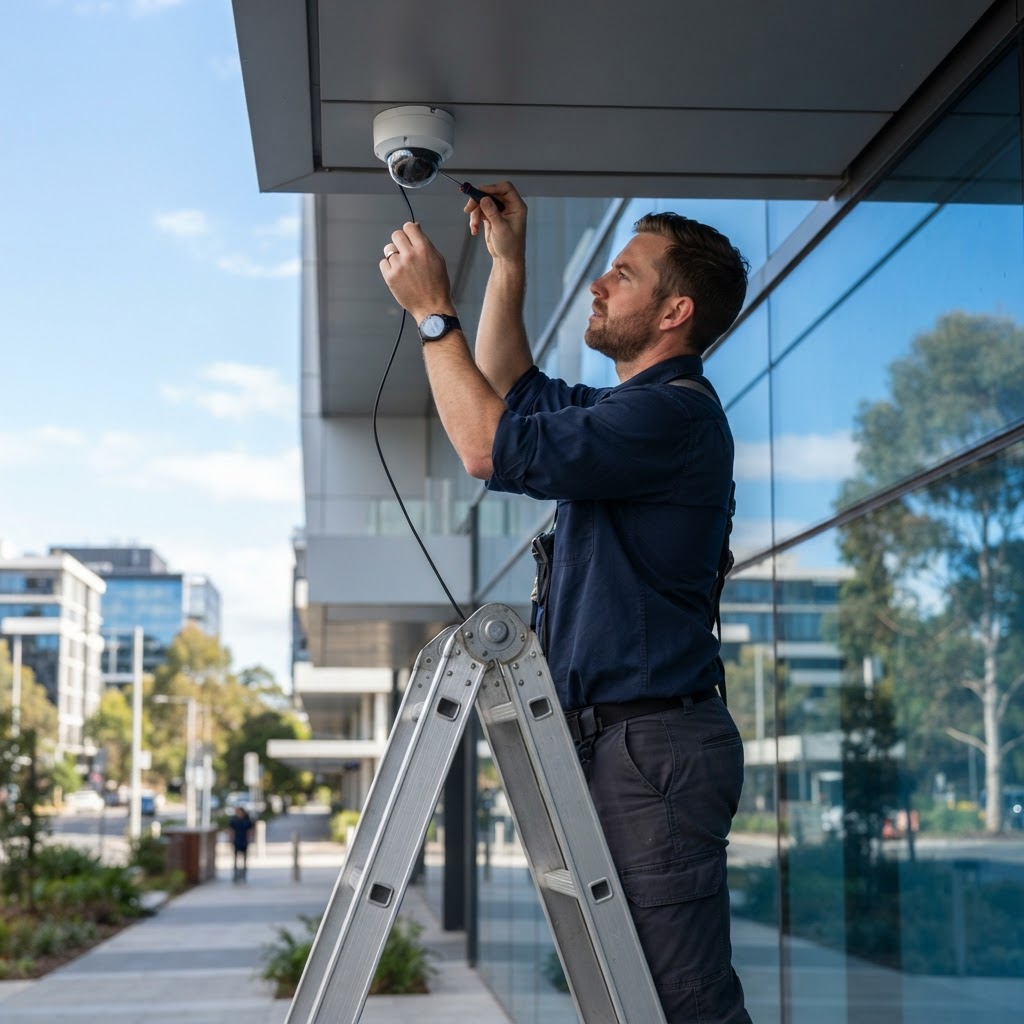
Security upgrades only work if your team understands and supports them. New cameras, revised access control, updated patrol schedules or fresh procedures are only as effective as the people following them — and changes imposed without clear communication often lead to confusion, resistance or quiet non-compliance.
Explain the "Why", Not Just the "What"
Staff are far more likely to embrace a change when they understand the reason behind it. Explain what drove the change — a recent incident, growth, a new premises or an audit finding — and how the new arrangements protect both the business and the people who work there.
Be Clear and Specific
Vague messages create uncertainty. Tell staff exactly what is changing, when, and how it affects their day-to-day work: new lock-up steps, different alarm codes, an updated visitor sign-in process, new key card procedures. Provide short, written instructions and keep them accessible.
Address Resistance Openly
Some changes — especially tighter access control or more visible monitoring — can feel restrictive. Acknowledge concerns, explain that the aim is protection rather than surveillance of staff, and invite questions. A brief team briefing or Q&A resolves most resistance early.
Build a Culture of Security Awareness
Beyond any single change, encourage staff to report suspicious activity, raise security concerns and follow procedures consistently. Recognition for good security habits reinforces a culture where protection is everyone's responsibility.
Reinforce and Follow Up
Revisit the changes after a few weeks. Check that procedures are being followed, answer new questions and adjust anything that isn't working in practice. Communication doesn't end at the announcement — it continues until the change is embedded.
Clear, honest communication turns a security change from a policy update into a shared commitment.