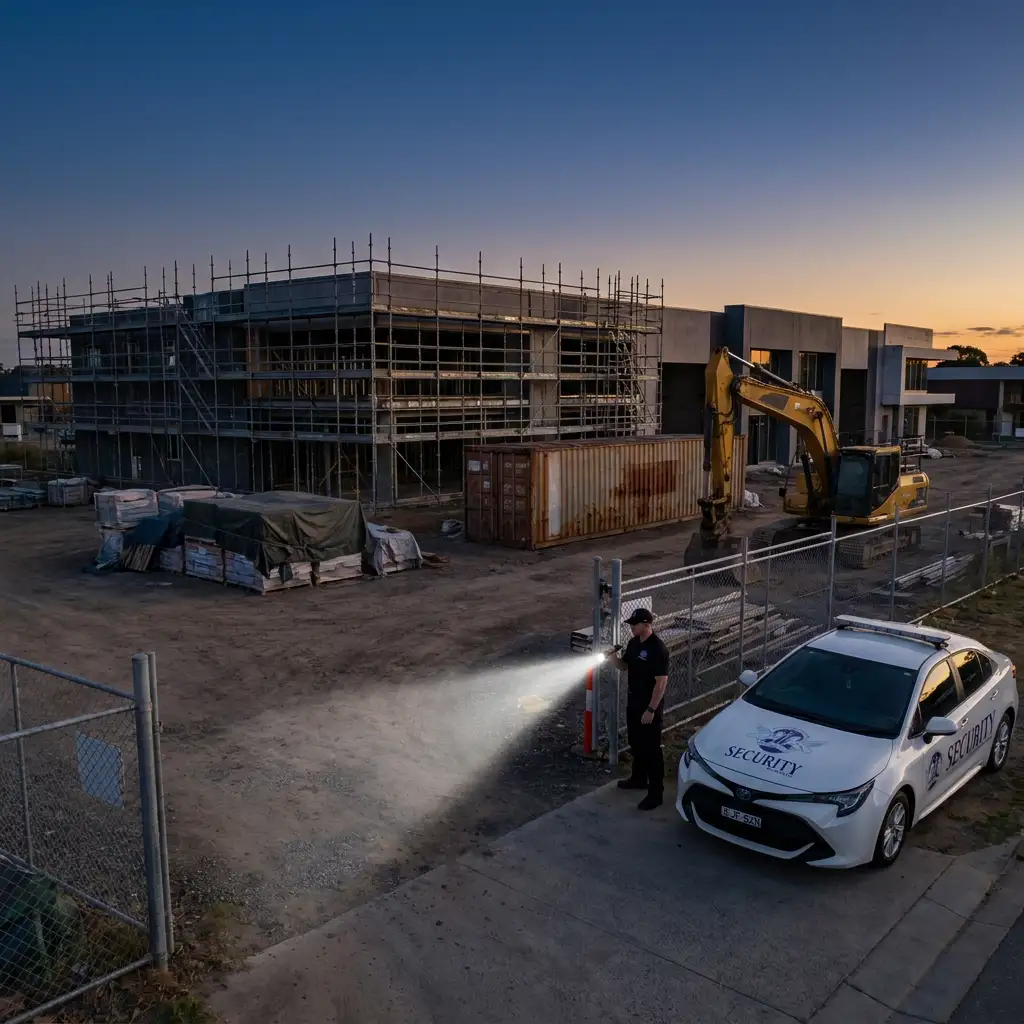
Construction sites can be vulnerable to theft, vandalism, trespassing and equipment damage, especially when they are unattended after hours, on weekends or during shutdown periods. Tools, machinery, building materials, copper, fuel, appliances and temporary structures can all become targets if a site is not properly secured.
For construction projects across the Blue Mountains, Penrith, Lithgow and surrounding NSW areas, security can be even more important when sites are isolated, spread across large blocks or located away from busy streets. A practical security plan helps protect property, reduce disruption and keep unauthorised people away from hazardous areas.
Securing a construction site does not always require one single solution. The strongest approach usually combines fencing, access control, secure storage, lighting, patrols, CCTV monitoring and clear site procedures.
Here are practical steps builders, site managers and property owners can take to improve construction site security.
1. Start with a Construction Site Risk Assessment
Before choosing security measures, it is important to understand where the site is most vulnerable. A security risk assessment can help identify weak points and prioritise improvements based on the site layout, project stage, asset value and after-hours exposure.
A construction site risk assessment may review:
- Entry and exit points
- Temporary fencing and gates
- Lighting and visibility
- Storage areas for tools, plant and materials
- Vehicle access points
- CCTV coverage and blind spots
- Alarm response procedures
- After-hours activity in the surrounding area
- Public access risks
- Previous theft, vandalism or trespass incidents
A risk assessment helps ensure that your security plan is based on the actual risks of the site, rather than a generic checklist.
2. Secure the Perimeter with Fencing, Gates and Signage
Perimeter control is one of the most important parts of construction site security. Temporary fencing, locked gates and clear warning signage help deter opportunistic access and make it clear that the site is restricted.
Check that fencing is complete, secure and suitable for the location. Gaps, loose panels, poorly secured joins, low sections and unlocked gates can create easy access points for trespassers. Sites close to schools, residential areas, playgrounds, public footpaths or hospitality venues may need extra attention because unauthorised visitors may be more likely to approach the site.
Good perimeter security may include:
- Secure temporary fencing around the full site boundary
- Locked gates after hours
- Clear restricted access signage
- Warning signs for security measures in place
- Contact details for emergencies or site management
- Regular checks for damaged, moved or missing fence panels
- Removal of items that could be used to climb over fencing
Perimeter checks should be completed regularly, especially after storms, strong winds, deliveries, subcontractor activity or weekends.
3. Control Site Access During Working Hours
Construction site security is not only an after-hours issue. During the day, visitors, subcontractors, deliveries and workers may all be moving through the site. Without clear access procedures, it can be difficult to identify who is authorised to be there.
Site managers should have a process for signing in workers, supervising visitors and making sure contractors understand the site’s security rules. Identification badges, hard hat stickers or visitor registers can make it easier to spot people who should not be on-site.
Access control procedures may include:
- Visitor sign-in and induction requirements
- Contractor access records
- Clear rules for delivery drivers
- Restricted areas for hazardous zones
- Supervision of visitors and non-workers
- Procedures for questioning unknown people on-site
Good access control helps protect workers, visitors and the public while also reducing theft and unauthorised activity.
4. Lock Away Tools, Materials and Hazardous Substances
Tools and materials left visible after hours are an easy target. Portable power tools, copper, appliances, fuel, batteries, fixtures and smaller equipment should be locked away wherever possible.
Secure storage can include lockable containers, cages, toolboxes, site sheds and locked internal areas. Hazardous substances should also be stored in appropriate secured units, away from public access and in line with site safety requirements.
At the end of each day, check that:
- Power tools are locked away and out of sight
- Materials are stored safely and securely
- Fuel and hazardous substances are secured
- Storage containers are locked
- Keys are removed from plant, machinery and vehicles
- Loose materials are not left where they can be stolen, damaged or used to access the site
Secure storage is a simple step that can significantly reduce the appeal of a site to opportunistic thieves.
5. Mark, Record and Track Valuable Assets
Asset marking and record keeping can help protect valuable equipment and support recovery if theft occurs. Keep a clear register of tools, plant, vehicles and high-value materials, including serial numbers, photographs, purchase records and identifying marks.
Where suitable, use visible asset labels, engraving, UV marking or other identification methods. For registered vehicles and certain plant, make sure vehicle identification details, registration information and ownership records are accurate and up to date.
A good asset register should include:
- Item description
- Brand and model
- Serial number
- Vehicle identification number if applicable
- Photos of the item
- Purchase or ownership records
- Storage location
- Assigned user or subcontractor if relevant
This information can be useful for insurance, police reports and internal site management if an item is stolen or damaged.
6. Use Mobile Patrols for After-Hours Deterrence
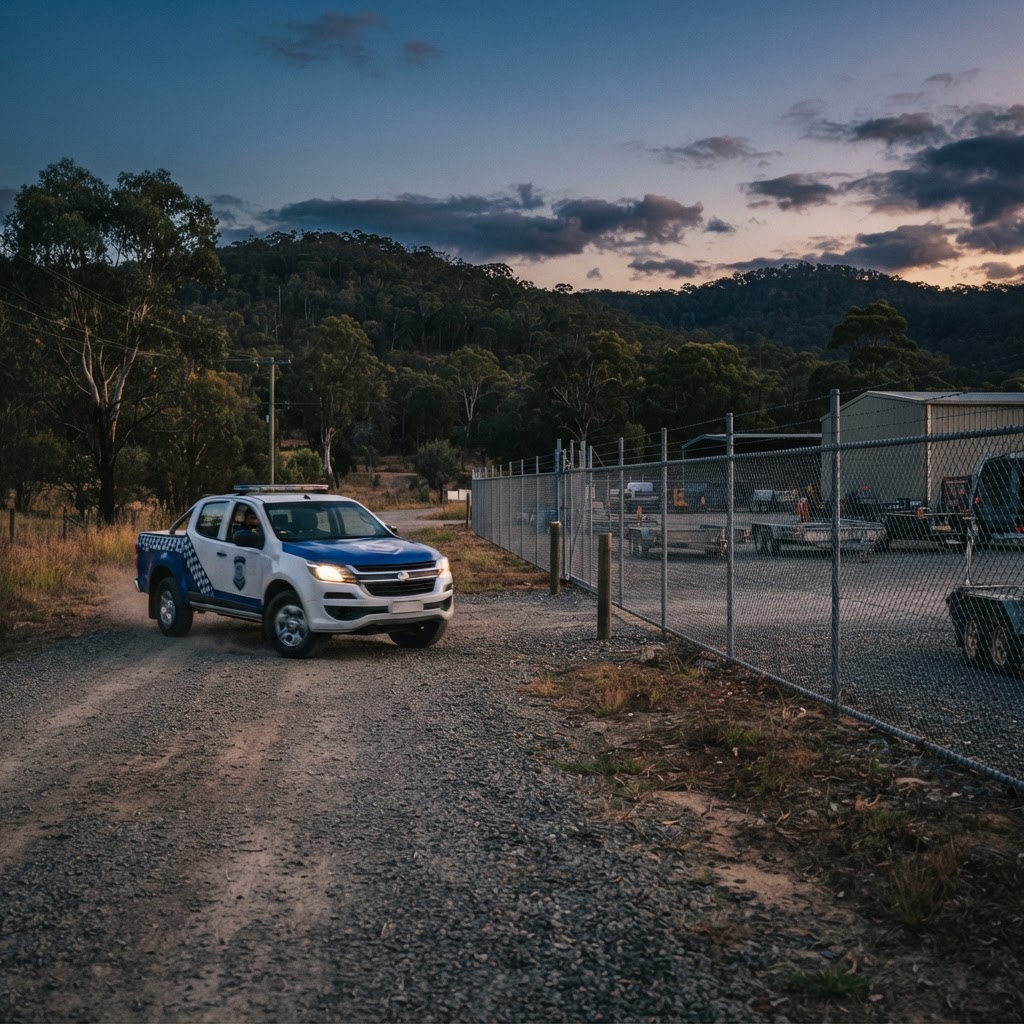
Mobile patrols are a practical option for construction sites that need after-hours checks but do not require a full-time guard stationed on-site.
A mobile patrol officer can attend at scheduled or random times to inspect fencing, gates, access points, storage areas, machinery, lighting and signs of suspicious activity. Randomised patrols can also make it harder for offenders to predict when the site will be checked.
Mobile patrols may include:
- Gate and fence checks
- Perimeter inspections
- Storage container checks
- Plant and equipment observations
- Alarm response
- Lighting checks
- Incident reporting
- Extra patrols during weekends, public holidays or shutdowns
For construction projects in Springwood, Katoomba, Lithgow, Penrith, Blaxland and surrounding areas, mobile patrols can provide a visible and flexible layer of protection.
7. Add CCTV Monitoring for Better Visibility
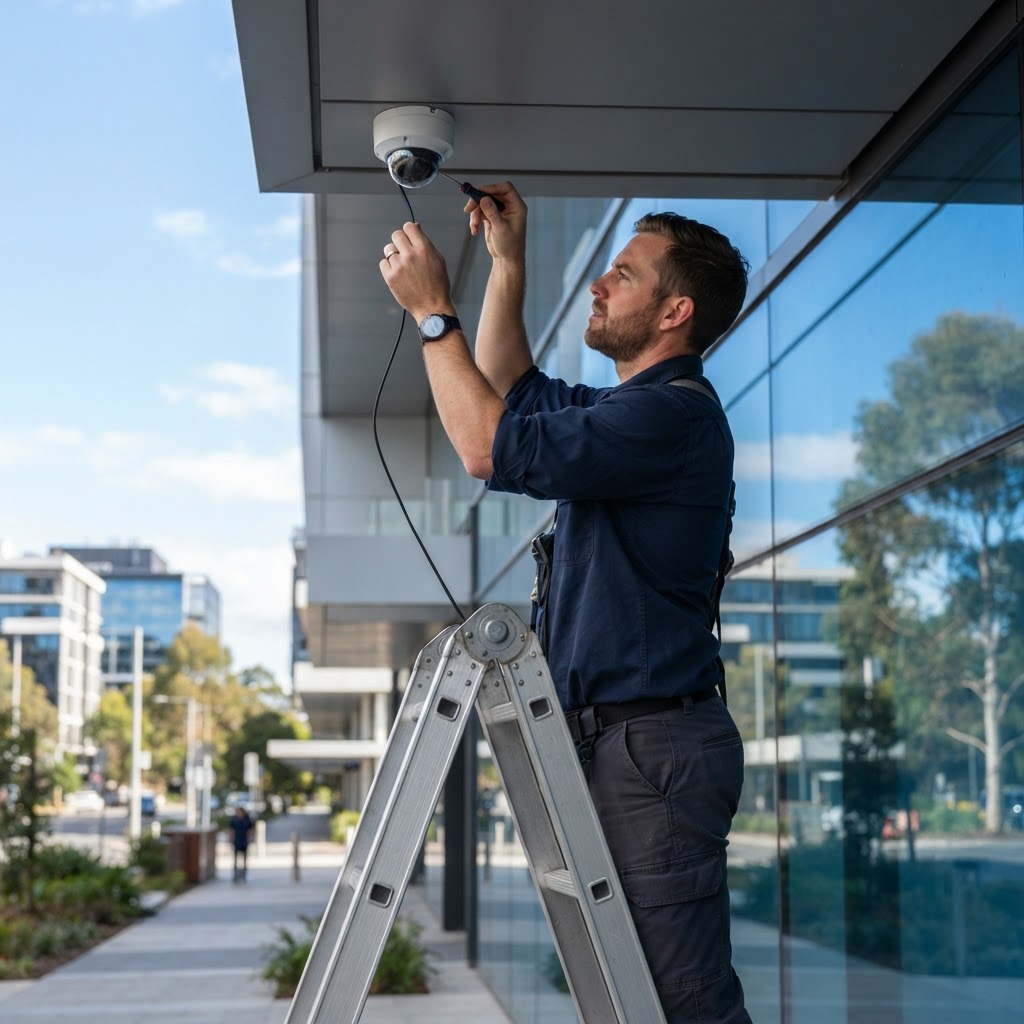
CCTV can play an important role in construction site security, especially when the site is vacant after hours. However, cameras are most effective when they are positioned correctly and supported by a clear response plan.
CCTV monitoring can help identify suspicious activity earlier and support a faster response. Cameras may be positioned around gates, storage areas, machinery, site offices, loading zones and vulnerable access points.
When planning CCTV for a construction site, consider:
- Camera coverage around entry and exit points
- Lighting conditions at night
- Blind spots created by equipment or structures
- Remote monitoring options
- Motion detection or alert capability
- How footage will be reviewed and stored
- Who responds when suspicious activity is detected
CCTV should not be treated as a standalone solution. It works best when combined with patrol response, secure storage, lighting and strong perimeter controls.
8. Consider On-Site Guards for Higher-Risk Projects
For high-value projects, large sites, repeated incidents or locations with significant public exposure, an on-site security guard may be the most suitable option.
Security guards provide a constant presence and can help manage access control, visitor checks, incident response and visible deterrence. They can also monitor movement around the site and support site procedures during higher-risk periods.
Static guards may be useful when:
- High-value tools, plant or materials are stored on-site
- The site has experienced repeated theft or trespass
- There is regular public access nearby
- The project requires gatehouse or access control duties
- Immediate on-site response is needed
- The site is active outside normal construction hours
In some cases, the best approach may combine static guards during higher-risk periods with mobile patrols overnight or on weekends.
9. Remove or Secure Access Equipment After Hours
Ladders, scaffolding, platforms and other access equipment can create serious risks if unauthorised people enter the site. They may allow trespassers to access incomplete structures, roofs, voids or unsafe areas.
Before the site is left unattended, check that access equipment is removed, secured or isolated wherever possible. Loose materials on scaffolding should be removed or stored safely, and access to incomplete structures should be restricted.
This step is important not only for theft prevention, but also for protecting the public from injury.
10. Review Security During Shutdowns, Weekends and Holidays
Construction sites can be more vulnerable during weekends, public holidays, Christmas shutdowns and other periods when no workers are present. Before any extended closure, review the site’s security arrangements carefully.
Before a shutdown, make sure:
- All gates, doors and containers are locked
- Tools and materials are secured
- Plant and machinery are immobilised where practical
- Keys are removed and stored securely
- Fencing is complete and stable
- Lighting and CCTV are operating correctly
- Warning signage is visible
- Alarm response procedures are confirmed
- Mobile patrols are scheduled if required
Shutdown periods are a good time to increase patrol frequency, especially if valuable equipment or materials remain on-site.
Construction Site Security for the Blue Mountains and NSW
Every construction site is different. A small residential build in Blaxland may have different risks from a commercial project in Penrith, a remote site near Lithgow or a high-visibility project in Katoomba or Springwood.
The best construction site security plan is practical, layered and tailored to the project. It should reduce unauthorised access, deter theft, protect the public and give site managers clear reporting when something needs attention.
Statewide Protective Services provides construction site security support across the Blue Mountains, Penrith, Lithgow and surrounding NSW areas, including mobile patrols, CCTV monitoring, security guards and risk assessments.
Speak to Statewide Protective Services
If your construction site is unattended after hours, storing valuable materials or exposed to public access, now is the time to review your security arrangements.
Statewide Protective Services can help assess your site and recommend a practical security plan based on your project stage, location, access points and risk level.
Contact Statewide Protective Services today to discuss construction site security, mobile patrols, CCTV monitoring or security guards for your NSW project.
Frequently Asked Questions
How do you secure a construction site after hours?
Secure the perimeter, lock gates and storage areas, remove keys from machinery, lock away tools, check lighting, use CCTV monitoring where suitable and arrange mobile patrols or security guards for higher-risk sites.
Are mobile patrols useful for construction sites?
Yes. Mobile patrols are useful for checking fencing, gates, storage containers, plant, machinery, lighting and signs of suspicious activity when a construction site is unattended.
When should a construction site use a security guard?
A construction site may need a security guard when there are high-value tools or materials on-site, repeated incidents, public access risks, after-hours activity or a need for continuous on-site supervision.
Does CCTV stop construction site theft?
CCTV can help deter theft and provide evidence, but it works best when supported by monitoring, patrol response, secure storage, lighting and strong access control procedures.
Why is construction site security important?
Construction site security helps protect tools, materials, machinery and unfinished works. It also helps reduce unauthorised access, which can create serious safety risks for the public.