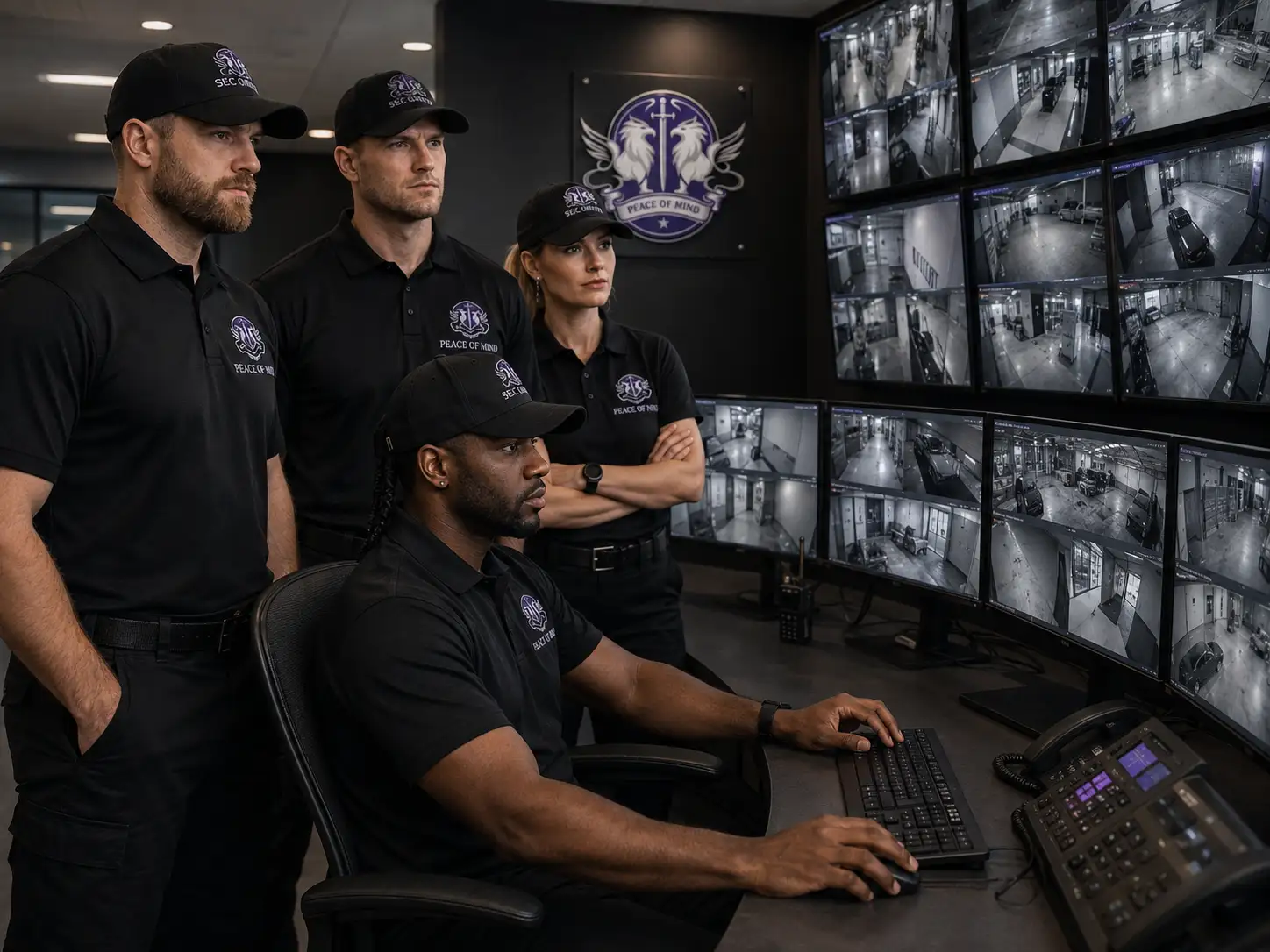
CCTV has long been used by businesses to record activity, review incidents and provide evidence after something has gone wrong. But for many Blue Mountains businesses in 2026, standard recorded footage is no longer enough.
Modern CCTV monitoring gives business owners and property managers a more proactive way to protect their premises. Instead of relying only on footage after an incident, monitored CCTV can help identify suspicious activity earlier and support a faster security response.
For retail stores, warehouses, construction sites, hospitality venues, commercial properties, strata buildings and vacant premises across Katoomba, Springwood, Penrith, Lithgow and surrounding areas, CCTV monitoring can provide an important layer of after-hours protection.
What Is CCTV Monitoring?
CCTV monitoring involves cameras being used as part of an active security process, rather than simply recording footage for later review. Depending on the setup, monitoring may help identify unusual movement, unauthorised access, loitering, trespassing, vandalism or other suspicious behaviour.
When suspicious activity is detected, the agreed response process may include reviewing footage, contacting the client, directing a mobile patrol to attend the site or escalating the matter where required.
This makes CCTV monitoring especially useful for businesses that are unattended overnight, closed on weekends, located in quieter areas or storing valuable equipment, stock or materials.
1. CCTV Monitoring Helps Detect Activity Earlier
Traditional CCTV is often reviewed after a break-in, theft or vandalism incident. While recorded footage can still be useful, it may not prevent the damage, disruption or loss from occurring.
Monitored CCTV provides a more active approach. If suspicious movement is detected around a gate, loading dock, car park, shopfront, storage area or construction site, action can be taken sooner.
Early detection can make a significant difference for businesses across the Blue Mountains, where some sites may be isolated, surrounded by bushland, set back from the street or unattended for long periods after hours.
2. It Strengthens After-Hours Protection
Many business security incidents happen when no one is on-site. This may be overnight, during weekends, on public holidays or during seasonal shutdowns.
CCTV monitoring helps provide visibility when staff, owners and managers are not present. It can support sites such as:
- Retail shops and shopping strips
- Warehouses and industrial units
- Construction sites
- Car parks and loading areas
- Clubs, venues and hospitality businesses
- Schools and community facilities
- Vacant properties
- Commercial offices
For after-hours security, CCTV monitoring works best when it is supported by clear procedures. Business owners should know who is contacted, who responds and what happens if suspicious activity is identified.
3. CCTV Monitoring Works Well with Mobile Patrols
CCTV monitoring and mobile patrols are often stronger when used together. Cameras can help identify suspicious activity, while patrol officers can physically attend the site, inspect the area and follow the agreed response procedure.
For example, if movement is detected near a rear gate, storage container or car park, a patrol officer may be sent to check the property. This gives businesses a more complete security response than footage alone.
Mobile patrols can also check areas that cameras may not fully cover, including gates, doors, windows, fencing, loading docks and outdoor storage areas. Together, these services create a more practical security layer for properties that do not require a full-time on-site guard.
4. It Helps Protect High-Risk Areas
Every site has areas that are more vulnerable than others. A security camera system should be planned around these points, not just installed wherever it is convenient.
High-risk areas may include:
- Main entrances and rear doors
- Loading docks
- Car parks
- Storage areas
- Cash handling areas
- Plant and equipment zones
- Perimeter gates
- Construction site access points
- Waste areas and laneways
A security risk assessment can help identify where cameras should be positioned and how CCTV monitoring should fit into the broader security plan.
5. It Supports Better Incident Response
When something happens on-site, business owners need more than a video file. They need a clear response process and useful information about what occurred.
CCTV monitoring can support incident response by helping identify:
- Where activity occurred
- What time the incident began
- How many people or vehicles were involved
- Which access points were used
- Whether further site attendance is required
- Whether emergency services need to be contacted
This information can help managers, patrol officers and security teams respond more effectively. It can also support post-incident reporting and future security improvements.
6. It Can Deter Opportunistic Behaviour
Visible cameras, warning signage and an active monitoring process can help deter opportunistic behaviour. Trespassers, vandals and thieves may be less likely to target a property when it is clear that cameras are not simply recording, but form part of an active security response.
This can be especially useful for properties that are vacant, under construction, closed overnight or located in areas with limited natural surveillance.
CCTV monitoring should not be treated as a standalone solution, but it can form a strong part of a layered security plan when combined with lighting, access control, patrols and clear site procedures.
7. CCTV Monitoring Supports Commercial Security Planning
For many businesses, CCTV monitoring is one part of a broader commercial security strategy. A business may also need access control, alarm response, mobile patrols, lock-up services, staff safety procedures or security guards during higher-risk periods.
The right mix depends on the site. A small office may need after-hours monitoring and occasional patrols. A warehouse may need camera coverage around loading docks and storage areas. A construction site may need temporary cameras, mobile patrols and stronger perimeter checks. A retail business may need CCTV monitoring alongside visible security during trading hours.
The strongest security plan is one that matches the way the business actually operates.
8. It Helps Business Owners Review Security Over Time
CCTV monitoring can also help identify patterns. Repeated loitering, attempted access, vehicle movement, damaged fencing, poor lighting or recurring alarm activations may point to a broader issue that needs attention.
By reviewing these patterns, business owners and property managers can make better decisions about patrol frequency, camera placement, lighting, signage, access control and guard coverage.
Security should not be set and forgotten. As a business changes, the security plan should be reviewed to make sure it still protects the right areas.
CCTV Monitoring for Blue Mountains Businesses
Businesses across the Blue Mountains and surrounding NSW areas face different security challenges depending on their location, trading hours, public access and site layout. A property in Katoomba may have different risks from a commercial site in Springwood, a warehouse in Penrith or a site in Lithgow.
Local security planning should consider visibility, road access, nearby activity, tourism periods, after-hours movement and the practical response options available if suspicious activity is detected.
CCTV monitoring can help bridge the gap between recorded footage and on-site response, giving businesses greater confidence when their property is unattended.
Speak to Statewide Protective Services
Statewide Protective Services provides CCTV monitoring, mobile patrols, alarm response, security guards, commercial security and risk assessments across the Blue Mountains, Penrith, Lithgow and surrounding NSW areas.
If your current CCTV system only records footage after an incident, it may be time to review whether monitoring, patrol response or a broader security plan would provide better protection.
Contact Statewide Protective Services today to discuss CCTV monitoring and practical security options for your Blue Mountains business.
Frequently Asked Questions
What is CCTV monitoring?
CCTV monitoring uses security cameras as part of an active monitoring process. It can help identify suspicious activity earlier and support a response before an incident escalates.
Is CCTV monitoring better than standard CCTV?
Standard CCTV records footage for later review. CCTV monitoring provides a more proactive approach by helping detect activity while it is happening and supporting an agreed response process.
Can CCTV monitoring work with mobile patrols?
Yes. CCTV monitoring and mobile patrols work well together. Monitoring can identify suspicious activity, while a mobile patrol officer can attend the site and complete physical checks.
What types of businesses benefit from CCTV monitoring?
Retail stores, warehouses, construction sites, hospitality venues, schools, strata properties, car parks, commercial offices and vacant premises can all benefit from CCTV monitoring.
Does Statewide Protective Services provide CCTV monitoring in the Blue Mountains?
Yes. Statewide Protective Services provides CCTV monitoring and related security services across the Blue Mountains, Penrith, Lithgow and surrounding NSW areas.