Choosing between mobile patrols and static security guards is one of the most common decisions businesses, property managers and site supervisors face when reviewing their security arrangements. Both options can provide strong protection, but they are designed for different situations.
A mobile patrol service may be ideal for after-hours checks, alarm response, lock-up services and visible deterrence across multiple points of a property. A static guard may be better suited to sites that need a constant on-site presence, access control, visitor management or immediate response throughout a shift.
For businesses and properties across the Blue Mountains, Penrith, Lithgow and surrounding NSW areas, the best choice depends on your site layout, operating hours, risk level, budget and the type of protection you need.
What Are Mobile Patrols?
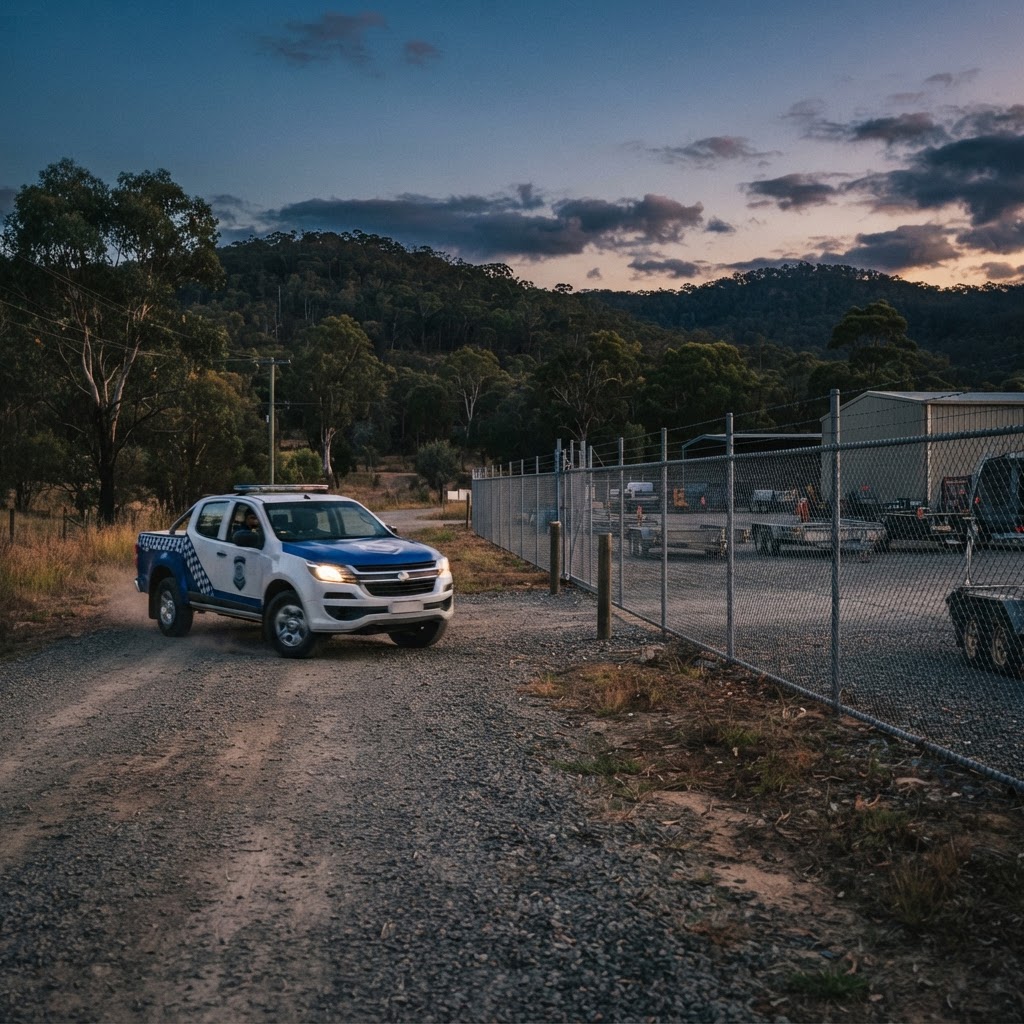
Mobile patrols involve licensed security officers attending your site at scheduled or random times to check the property, inspect access points, respond to alarms and provide a visible security presence.
Unlike a static guard who remains on-site for a full shift, a mobile patrol officer travels between sites or patrol points. This makes mobile patrols a flexible and cost-effective option for businesses that need professional security coverage but do not require someone stationed at the property all night.
Mobile patrols may include:
- Scheduled patrol checks
- Random patrol visits
- Alarm response
- Lock-up and unlock services
- Perimeter checks
- Gate, door and window checks
- Car park inspections
- Vacant property checks
- Construction site inspections
- Detailed patrol reporting
This type of service is commonly used by commercial properties, industrial sites, schools, strata buildings, construction sites, retail centres and businesses that are unattended after hours.
What Are Static Security Guards?
Static security guards are stationed at a specific site for an agreed period. They provide a constant on-site presence and can actively monitor entry points, manage visitors, support staff, respond to incidents and deter unwanted behaviour.
Static guards are often used where there is a higher level of public access, greater risk exposure or a need for continuous supervision. They can be positioned at building entrances, gatehouses, reception areas, retail spaces, construction sites, corporate offices, events or high-risk areas of a property.
Static guards may support:
- Access control
- Visitor and contractor management
- Front-of-house security
- Customer-facing security
- Incident response
- Staff safety
- Asset protection
- Gatehouse duties
- Retail loss prevention support
- Construction site supervision
For sites that require a security officer to be present at all times, static guarding is usually the stronger option.
Key Differences Between Mobile Patrols and Static Guards
The main difference is presence. Mobile patrols provide security at scheduled or random intervals, while static guards remain on-site for the full shift.
| Security Option | Best For | Main Benefit |
|---|---|---|
| Mobile Patrols | After-hours checks, alarm response, lock-ups, vacant sites and general deterrence | Flexible, cost-effective coverage without a full-time on-site guard |
| Static Guards | Access control, public-facing sites, high-risk areas, events and continuous supervision | Constant on-site presence and immediate response |
Both services can be highly effective, but they solve different problems. The right choice depends on what you need the security officer to do, how often the site needs attention and how quickly an incident needs to be managed.
When Mobile Patrols Are the Better Choice
Mobile patrols are often the best choice when a site needs regular security checks but does not require a guard stationed there for the entire night or day.
This may include businesses that close overnight, construction sites with valuable materials, commercial buildings with multiple access points, strata properties, schools, warehouses, industrial yards or vacant premises.
Mobile patrols are particularly useful when you need:
- A visible deterrent after hours
- Regular checks of doors, gates and windows
- Alarm response when the property is unattended
- Lock-up and unlock support
- Patrol reports for accountability
- Cost-effective coverage across multiple areas
- Extra checks during holidays, shutdowns or higher-risk periods
For many Blue Mountains and Western Sydney businesses, mobile patrols provide a practical balance between protection and budget. A patrol vehicle arriving at different times can make it harder for offenders to predict when a site is being checked.
When Static Guards Are the Better Choice
Static guards are usually the better choice when a site needs continuous supervision, active access control or immediate on-site response.
This may apply to businesses with high visitor traffic, public entry points, staff safety concerns, valuable assets, construction activity, retail theft risks or event security requirements.
Static guards are particularly useful when you need:
- A security officer present at all times
- Visitor, contractor or staff access control
- Customer-facing security support
- Immediate response to incidents
- Support for staff working alone or late
- Crowd control or event support
- Gatehouse or entry-point management
- Visible security for high-risk periods
If your site has frequent movement of people, goods or vehicles, a static guard may provide better oversight than occasional patrol visits.
Can You Use Both Mobile Patrols and Static Guards?
Yes. In many cases, the strongest security plan uses both services together.
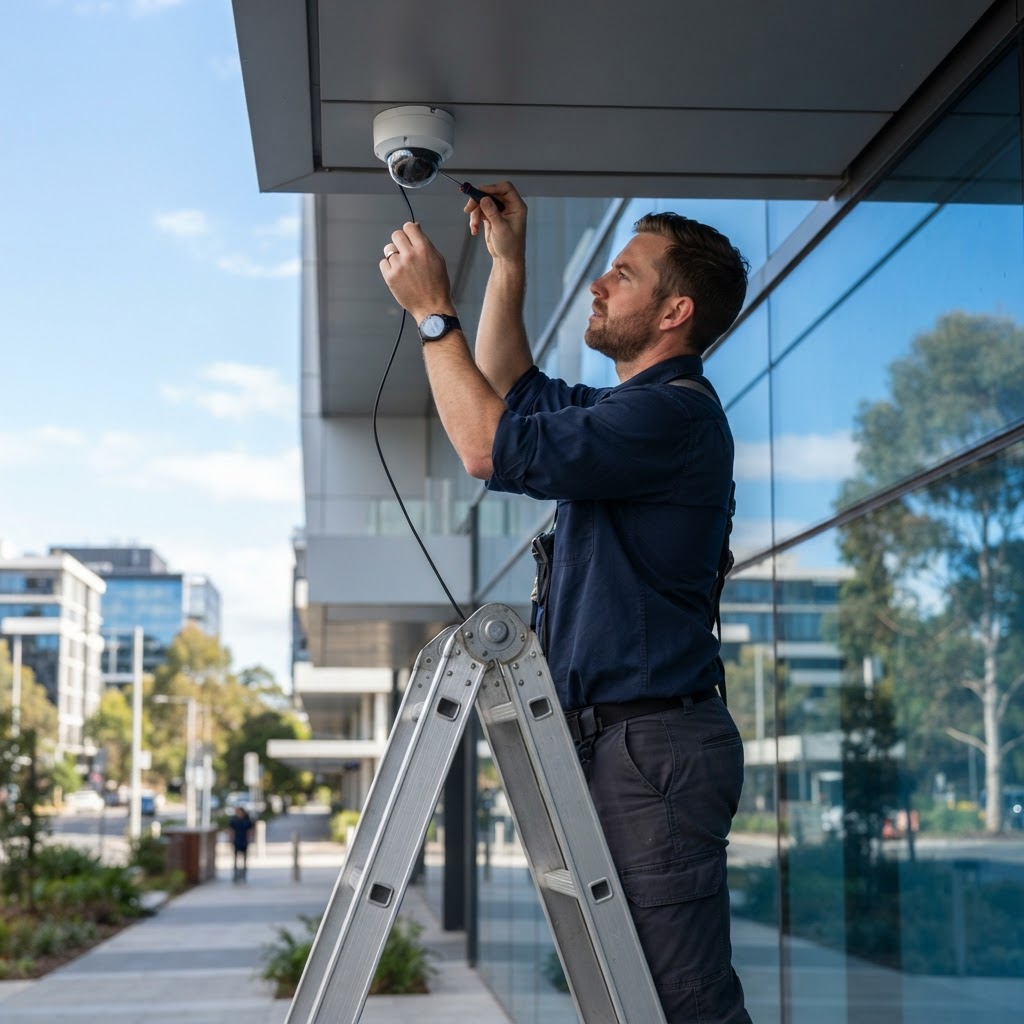
For example, a construction site may use a static guard during high-risk hours or active works, then rely on mobile patrols overnight and on weekends. A retail or hospitality venue may use a static guard during trading hours and patrol checks after closing. A commercial site may use CCTV monitoring alongside patrol response when suspicious activity is detected.
This layered approach can be especially effective for larger properties, multi-site businesses, industrial areas, event venues and sites with changing security needs.
Cost Considerations
Cost is often one of the main factors when choosing between mobile patrols and static guards.
Mobile patrols are generally more cost-effective because the officer is not stationed at your property for the full shift. Instead, they attend at agreed times or respond when required. This makes patrols a practical option for businesses that need after-hours protection but do not have the budget or need for a permanent guard.
Static guards usually cost more because they provide continuous on-site coverage. However, the higher cost may be justified where there is a greater risk, higher foot traffic, public interaction, access control duties or a need for immediate response.
The cheapest option is not always the safest option. The right choice should be based on risk, not just hourly cost.
Questions to Ask Before Choosing
Before deciding between mobile patrols and static guards, it is worth reviewing your site properly. A security risk assessment can help identify which option is best suited to your property.
Useful questions include:
- Is the site occupied or vacant after hours?
- Are there valuable assets, equipment or materials on-site?
- How many entry and exit points need to be checked?
- Does the site need access control?
- Do staff, visitors or contractors need supervision?
- Has the site had theft, vandalism or trespassing issues?
- Would alarm response be required?
- Is a visible deterrent enough, or is constant presence needed?
- Are there times of higher risk, such as weekends, holidays or overnight periods?
The answers to these questions can help determine whether mobile patrols, static guards or a combination of both is the most suitable solution.
Which Security Option Is Right for Your Site?
As a general guide, mobile patrols are often best for sites that need flexible after-hours checks, alarm response and deterrence. Static guards are best for sites that need continuous supervision, access control and immediate on-site support.
For many businesses, the right solution may change over time. A site may need static guards during a busy trading period, mobile patrols during quieter months, or additional patrols during a shutdown, construction phase or holiday period.
That is why security should be reviewed regularly, especially if your business has changed, expanded, experienced an incident or introduced new operating hours.
Speak to Statewide Protective Services
Statewide Protective Services provides mobile patrols, security guards, CCTV monitoring, risk assessments and commercial security across the Blue Mountains, Penrith, Lithgow and surrounding NSW areas.
Whether your site needs after-hours patrols, a full-time static guard or a tailored combination of services, our team can help you choose the right level of protection.
Contact Statewide Protective Services today to discuss your security needs and arrange a practical security solution for your business, site or property.
Frequently Asked Questions
Are mobile patrols cheaper than static guards?
Mobile patrols are usually more cost-effective because the officer attends at scheduled or random times rather than remaining on-site for a full shift. Static guards generally cost more because they provide continuous on-site presence.
When should a business use a static security guard?
A static guard is a good choice when your site needs constant supervision, access control, visitor management, staff support or immediate response to incidents.
What types of sites benefit from mobile patrols?
Mobile patrols are useful for commercial properties, construction sites, strata buildings, schools, warehouses, industrial yards, vacant premises and businesses that need after-hours checks or alarm response.
Can Statewide Protective Services provide both mobile patrols and static guards?
Yes. Statewide Protective Services can provide mobile patrols, static security guards or a combination of both depending on your site, operating hours and security risks.