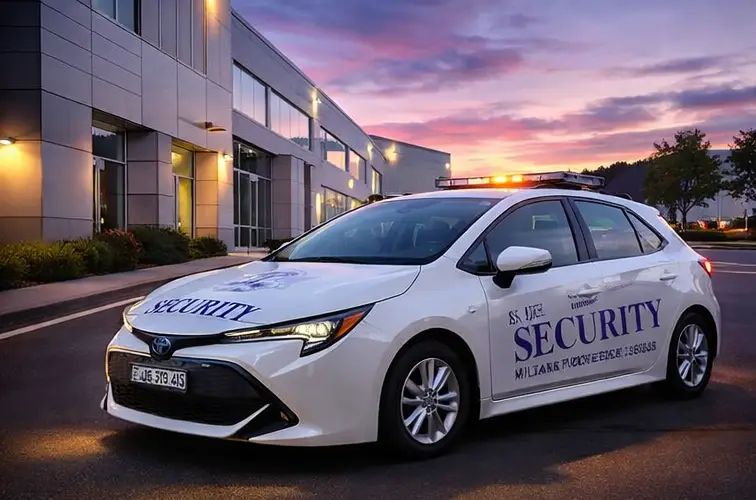
Mobile security patrols are one of the most practical ways to protect a property after hours, especially when a full-time security guard is not required on-site. But many business owners and property managers are unsure what a mobile patrol actually does during a site visit.
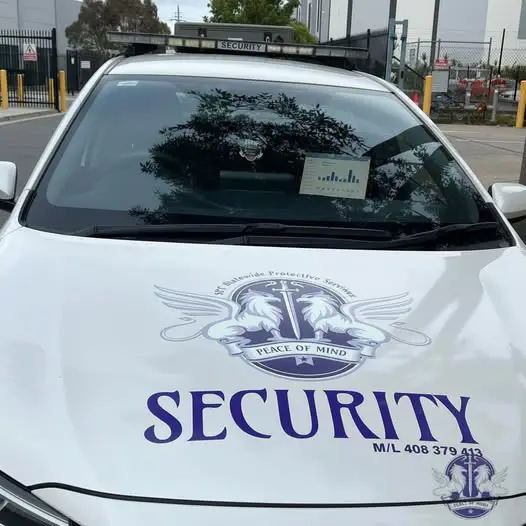
A professional mobile security patrol is more than a quick drive past the front gate. It involves a structured check of key areas, access points and potential risks across the property. The goal is to deter unwanted activity, identify signs of intrusion, respond to alarms and provide clear reporting for the client.
For businesses, construction sites, strata properties, schools, commercial premises and vacant buildings across the Blue Mountains, Penrith, Lithgow and surrounding NSW areas, mobile patrols can provide a visible and flexible layer of after-hours protection.
What Is a Mobile Security Patrol?
A mobile security patrol involves a licensed security officer attending your site at scheduled or random times to inspect the property. Patrols may be completed overnight, early in the morning, during weekends, on public holidays or during periods when a property is unattended.
Unlike a static guard, who remains at one location for a full shift, a mobile patrol officer moves between locations or patrol points. This makes mobile patrols a cost-effective option for properties that need professional security checks but do not require someone stationed on-site all night.
Depending on the site, a mobile patrol may include external checks, internal checks, alarm response, lock-up and unlock services, car park inspections, welfare checks, vacant property checks or construction site patrols.
1. Doors, Gates and Entry Points
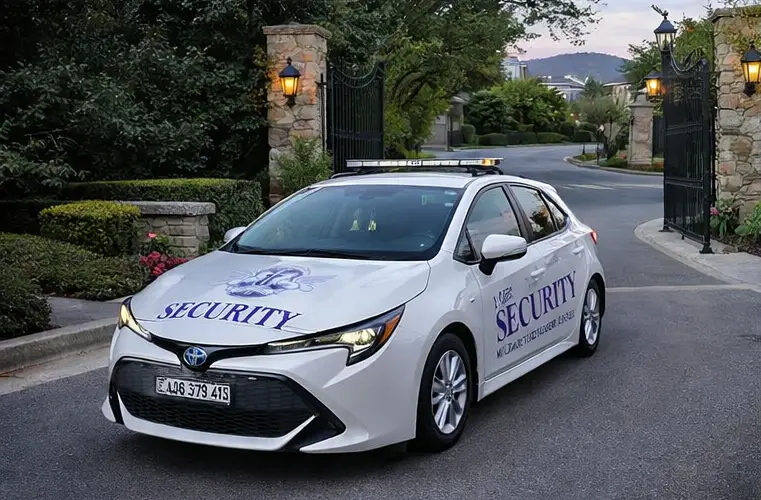
One of the first things a mobile patrol officer checks is whether doors, gates and other entry points are secure. Many after-hours incidents occur because a side door, roller door, rear gate, storage area or service entrance has been left unlocked or poorly secured.
During a patrol, the officer may inspect:
- Main entrance doors
- Rear and side doors
- Roller doors and loading docks
- Pedestrian gates
- Vehicle access gates
- Storage areas and sheds
- External stairwells or service corridors
If something is found unsecured, the patrol officer can follow the agreed site procedure. This may include securing the area, reporting the issue, contacting an authorised person or escalating the matter if there are signs of forced entry.
2. Windows, Perimeter Fencing and External Access
A mobile patrol does not only focus on the front of the property. Officers also check the perimeter, especially areas that are less visible from the street.
This may include windows, fencing, gates, side paths, rear yards, loading areas, laneways and boundary lines. These areas can be vulnerable because they are often hidden from public view and may provide easier access for trespassers.
For construction sites and industrial properties, perimeter checks are especially important. Temporary fencing, padlocks, gates and site access points can be moved, damaged or tampered with after hours. Regular checks help identify these issues before they lead to theft, vandalism or unauthorised access.
3. Signs of Forced Entry or Tampering
A key part of any mobile patrol is looking for signs that someone has attempted to enter or interfere with the property. This can include damage that may not be obvious without a physical inspection.
Patrol officers may look for:
- Broken locks or chains
- Damaged doors or door frames
- Forced windows
- Cut fencing
- Moved barriers
- Damaged roller doors
- Broken glass
- Tool marks around locks or access points
- Signs of trespassing or loitering
Early detection can make a major difference. If damage is identified quickly, the site can be secured and further risk can be reduced.
4. Alarms and Alarm Response
Mobile patrols are often used alongside alarm systems. If an alarm is triggered after hours, a patrol officer can attend the site to investigate, check for signs of entry and report what has occurred.
This is useful for business owners who do not want staff attending alarm activations alone at night. Having a trained security officer respond can improve safety and provide a clearer process for dealing with after-hours incidents.
Alarm response may include checking external entry points, inspecting the area around the activation, looking for signs of forced entry, contacting the client or escalating to emergency services if required.
For businesses that already use CCTV monitoring, patrol response can also form part of a stronger security plan. If suspicious activity is detected, a mobile patrol may be directed to attend and check the site.
5. Lighting, Visibility and Safety Hazards
Good lighting plays an important role in security. Poorly lit entrances, car parks, rear access points and pathways can make a property more vulnerable after hours.
During a patrol, officers may check whether lights are working, whether key areas are visible and whether any new hazards have appeared. This may include damaged lighting, blocked pathways, open gates, trip hazards, fallen branches, water leaks, damaged fencing or unsafe access areas.
Reporting these issues helps property managers and business owners take action before a security concern becomes a safety issue.
6. Car Parks, Loading Areas and Outdoor Spaces
Car parks, loading docks and outdoor areas are common areas for after-hours activity. They may be used for loitering, illegal dumping, vehicle damage, unauthorised access or suspicious behaviour.
A mobile patrol may check:
- Car parks and driveways
- Loading docks
- Waste storage areas
- Outdoor equipment storage
- External seating areas
- Plant rooms or utility areas
- Shared access zones
For retail centres, strata properties, schools, warehouses and hospitality venues, regular patrol checks can help deter unwanted behaviour and provide a record of site activity.
7. Construction Materials, Tools and Equipment
Construction sites can be particularly vulnerable outside work hours. Tools, machinery, materials, copper, fuel, appliances and partially completed works may attract theft or vandalism.
A mobile patrol can check site fencing, gates, storage containers, temporary access points, machinery, materials and signs of unauthorised entry. Patrols can also be increased during higher-risk periods, such as weekends, public holidays, project shutdowns or when valuable equipment is delivered to site.
For construction projects across the Blue Mountains, Penrith, Lithgow and surrounding areas, mobile patrols can provide a practical way to support site security without placing a guard on-site full time.
8. Lock-Up and Unlock Services
Some businesses use mobile patrols for lock-up and unlock services. This can be useful for sites where staff work early or late, where multiple access points need to be secured, or where business owners want an independent check at the end of the day.
A lock-up service may include checking doors, gates, windows, lights, alarms and nominated internal or external areas before the site is secured. An unlock service may involve opening the site before staff arrive and checking that the premises is safe to enter.
This type of support is particularly useful for commercial properties, schools, offices, retail stores, clubs, venues and community facilities.
9. Suspicious Activity and Unauthorised Persons
A visible patrol presence can deter unwanted behaviour. Patrol officers are trained to observe and report suspicious activity, including people loitering near entry points, vehicles parked in unusual locations, signs of trespassing or activity that does not match the normal use of the site.
If an unauthorised person is found on-site, the response will depend on the agreed procedure and the situation. This may include verbal direction, incident reporting, contacting the client or escalating the matter to police if required.
The value of mobile patrols is not only in detecting issues, but in creating a professional response process when something is not right.
10. Patrol Reports and Accountability
One of the most important parts of a mobile patrol service is reporting. Business owners and property managers need to know that checks have been completed and whether anything unusual was found.
Patrol reports may include time of attendance, areas checked, observations, photos, incidents, actions taken and recommendations. These reports provide accountability and help clients understand what is happening at their property outside normal operating hours.
Good reporting can also help identify patterns over time. For example, repeated loitering, lighting failures, unsecured gates or recurring alarm activations may indicate a broader security issue that needs attention.
How Often Should a Mobile Patrol Check a Site?
The right patrol frequency depends on the risk level of the site. A small office may only need occasional checks, while a construction site, vacant property or commercial premises with recent incidents may need more frequent patrols.
Factors that influence patrol frequency include:
- Site size and layout
- Number of access points
- Previous incidents
- Value of assets on-site
- After-hours activity in the area
- Whether alarms or CCTV monitoring are in place
- Holiday periods, shutdowns or seasonal risks
A security risk assessment can help determine the right patrol schedule for your property.
Mobile Patrols for Blue Mountains and NSW Businesses
Mobile patrols are a practical option for many businesses and properties across the Blue Mountains, Penrith, Lithgow and surrounding NSW areas. They are commonly used by commercial sites, construction projects, schools, strata buildings, warehouses, retail premises and vacant properties.
Local knowledge is important. A property in Katoomba may have different risks from a site in Springwood, Lithgow, Penrith or Blaxland. Patrol planning should consider location, access, visibility, business hours and the type of activity surrounding the property.
For many sites, mobile patrols work well alongside commercial security, alarm response, CCTV monitoring and licensed security guards when a stronger on-site presence is required.
Speak to Statewide Protective Services
Statewide Protective Services provides mobile patrols, alarm response, lock-up and unlock support, security guards, CCTV monitoring and risk assessments across the Blue Mountains, Penrith, Lithgow and surrounding NSW areas.
If you are unsure what your property needs, our team can review your site and recommend a practical patrol plan based on your risks, operating hours and budget.
Contact Statewide Protective Services today to discuss mobile patrols for your business, construction site, strata property or commercial premises.
Frequently Asked Questions
What does a mobile security patrol check?
A mobile security patrol may check doors, gates, windows, fencing, car parks, lighting, alarms, signs of forced entry, suspicious activity and other agreed areas of the property.
Do mobile patrols only drive past the property?
No. A professional mobile patrol usually involves a structured inspection of agreed areas, not just a drive-by. The exact checks depend on the site, service agreement and risk level.
Can mobile patrols respond to alarms?
Yes. Mobile patrols can attend alarm activations, inspect the site, check for signs of entry and follow the agreed response procedure.
Are mobile patrols suitable for construction sites?
Yes. Mobile patrols are commonly used for construction sites to check fencing, gates, materials, equipment, storage areas and signs of unauthorised access after hours.